
“If you talk to a man in a language he understands, that goes to his head. If you talk to him in his own language, that goes to his heart.” Nelson Mandela
I have been practising open door policy at my office. It means, anyone literally can walk into my office and talk to me. It might seem to you that I’m mentioning having an open door policy as a big thing when these days in other parts of the world including Malaysia, we are moving towards open office concepts where there are no physical boundaries between boss and his subordinates.
I acknowledge the pros of open door policy. It allowed all, even staff directly from the field to give me feedback and ideas. I have lots of my staff who have approached me and given me excellent ideas that I think if they don’t have direct access to me these ideas could have been buried within themselves.
However, major cons giving access to anyone to meet you means, I have to spend lots of time talking and entertaining people and this could disturb my productivity. I once had one helper who despatches documents internally and also serves tea. He was actually overqualified for such a job. He insisted on having this job as he was from the local village as he was jobless. We agreed to hire him because he can understand English and talk a little bit of english. My office was located in a different building from the main office building. Every morning Ali will bring the documents that needed my signatures from the main office and also will prepare my tea. It is unfortunate that due to my lactose intolerance I cannot enjoy the famous Pakistani chai made with fresh milk. Ali knows my kind of tea and he prepares it for me.
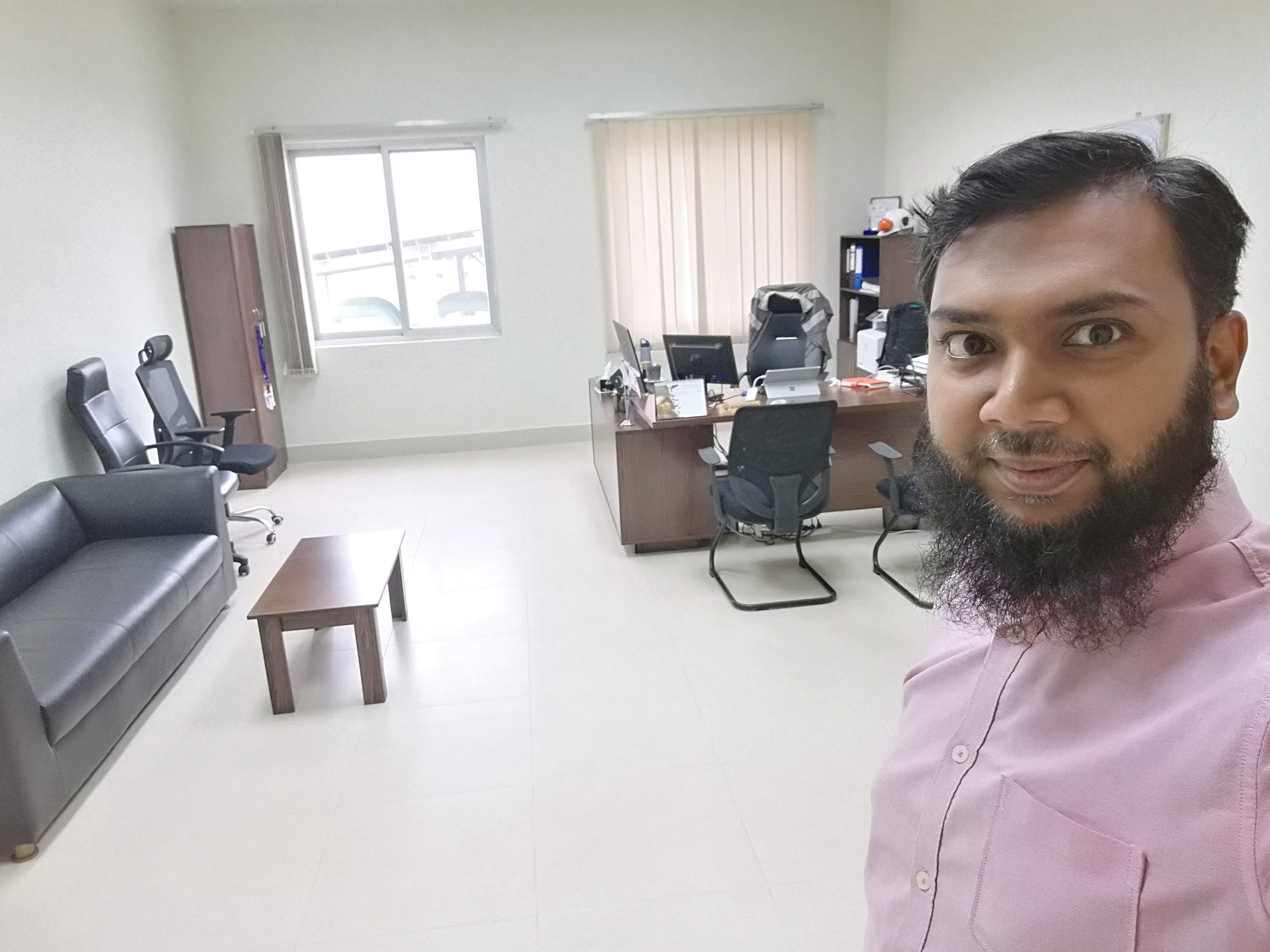
During early days, he enjoys engaging with me for a small chat and I was happy to entertain him. When we hired him, we have clearly informed him that there were no openings available for his qualification for now and he should accept this offer and not demand for any other post unless we offer it to him on an availability basis.
As Ali became comfortable with me, he started demanding a permanent position with me. I told him several times that there is no available position now. However, he was persistent like almost all my other staff. Most of them don’t take no for an answer. He became more and more demanding. If he cannot be given some other permanent position then he demands to be given a pay rise. All this was happening within the period of which he comes to get the documents to be signed and while he serves me my tea. I got very uncomfortable as he was adamant not to understand the circumstances despite me explaining it to him multiple times. This is the major cons of having an open door policy. Everyone approaches me with all kinds of demands. Most of the time, it involves their compensation and benefits issues of which I have very little control.
Learning from these incidents, I have regulated my open door policy. I don’t want to lose the benefits of having direct access to my staff but at the same time I don’t want to waste my time engaging in repeated salary or benefits negotiation sessions.
Those who still have access to my room will have a chance to have a pleasurable chat session. With me talking to them in Urdu or I would say trying talking to them in Urdu. Almost all my staff down to the technician level can understand English. As the late Nelson Mandela’s famous saying, “If you talk to a man in a language he understands, that goes to his head. If you talk to him in his own language, that goes to his heart.”. Asking how are you in Urdu, “Kya haal hai” or even asking them “Khana kha lia” have you taken your food, illuminates them with joy.
Once, one of my technicians came into my room with some documents to be signed. As most of my technicians work on shift, I have a tendency not to meet them for a very long time. I felt very happy to see the faces of some of them when they came to my room as they were interviewed and chosen personally by me and Alhamdulillah, all of them have been performing well. After having a small friendly chat he told me that I need to review and sign some documents. I was busy on something else and I need to settle that. I don’t want to hold him in my room. “When do you need these reviewed and signed?” I asked. “I need it yesterday” He replied. What! Even if this is urgent, there is a polite way to say it. It is common for bosses to use this phrase “I need it yesterday” for something which is urgent. Why is he being bossy to me when I’m the boss here?
I did not have time for further clarification. “Can I give this to you tomorrow?” I asked sternly. “Ok sir” His voice was faltering. He exited the room and I was dumbfounded.
After a few days, one of my managers came for a discussion with me. I need him to prepare a technical report. “When can you complete this report?” I asked. “I will submit it to you by yesterday,” He replied. Why is he being funny? I did not force him to complete the report urgently. I just wanted to know when he could complete it. “Koi maslah nahi (no problem). Take your time.” I pacified him.
These two events kept bothering me. Why the “I need it yesterday” was misappropriately used. They speak good English, it was beyond my expectation to see some of the technicians talking very good english. The credit goes to the emphasis that Pakistani parents give for English as mastery in English opens a whole new door of opportunities. I thought they don’t understand the appropriate use of that particular pharase.
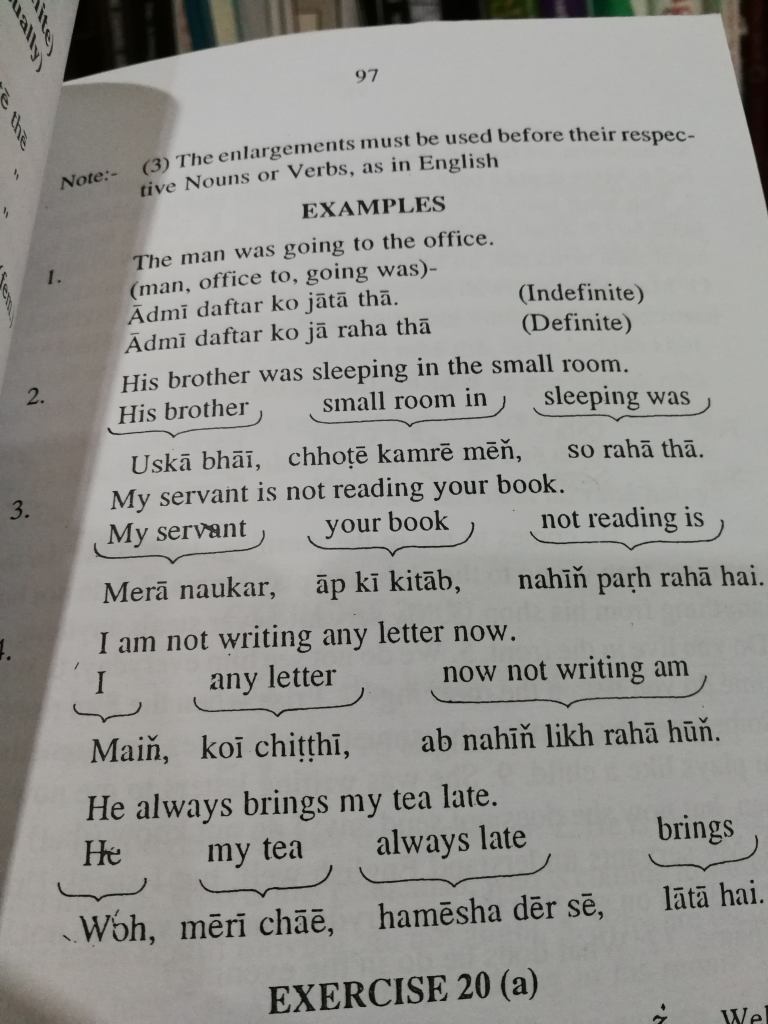
Whereas, for me, I was very keen to learn Urdu. I need to get out of the stigma of being seen as a ‘Pakistani’ who boasts of talking only in English. Shabbir is my main teacher. To improve my Urdu vocabulary, I use urdu words in my English conversation and replace more and more english words in Urdu.
“Aj mein very tired (today I’m very tired)” I told Shabbir while entering the car during our return trip home from the office. “Koi maslah nahi sir. Kal chooti” Shabbir replied. I understood completely what he said. ‘No problem sir, tomorrow is holiday’ Thank God it was Friday. I was curious to learn about days. “How do you say the day after tomorrow?” I asked. “Parso” He replied. “Acha. What about yesterday?” I asked again. “Kal” he answered. “Not tomorrow Shabbir. I’m asking yesterday.” I explained. “Yes sir. Kal is yesterday” He reiterated. “Kal is tomorrow and parso is for day after tomorrow. I’m asking about yesterday, not tomorrow.” I clarified further. “Sir, yesterday and tomorrow is both ‘kal’ and the meaning changes depending on the sentence.” He enlightened me.
Acha, a big bulb was lighted up on my head. It was like I got a revelation. Now I understand the confusion of ‘yesterday and tomorrow’. When my manager told me he would submit the report yesterday, he actually meant tomorrow. He was using the urdu concept of ‘kal’ expecting yesterday to change its meaning to tomorrow when used in the sentence. The same thing happened with my technician when he told me he needed it yesterday. What he meant was he needs it tomorrow. This is why I like to be in different cultures. You will never stop learning and appreciating the differences.
This is an ajib (amazing) language. “Mujhay urdu seekna pasand hay”
“The most important thing in communication is to hear what isn’t being said.”

 Ek Safar (The Journey)
Great real story that shows that learning a new language is actually immersing yourself into a completely different culture.
LikeLike