

I was moved to tears when I heard the answer for my Kya Haal Hai (How do you do?) by this cha cha (uncle).
Louis Armstrong’s top charter song “What a Wonderful World” explains what kya haal hai really means;
I see skies of blue
And clouds of white
The bright blessed day
The dark sacred night
And I think to myself
What a wonderful world
The colors of the rainbow
So pretty in the sky
Are also on the faces
Of people going by
I see friends shaking hands
Saying how do you do
They’re really saying I love you
Asking kya haal hai actually is a way to show a keen interest in the other person that we are talking to. In Pakistan, almost all the time, either people are talking on the phone or face to face, apart from being greeted with ‘Salam’ they will definitely ask you ‘kya haal hai’.
The standard answer for it is ‘theek thak’ (I’m fine).
As I looked like Pakistani, I tried to brush up my skills in asking ‘kya haal hai?’. Most of the time I will get away easily. This helped me a lot as I remember once when we went to Khewra Salt Mine, Shabbir told me that the entrance fee for foreigners is expensive. We didn’t mind paying the fees but Shabbir argued that I looked like Pakistani and I just needed to pay the local rate. However, as I went there with another ‘foreign looking’ colleague, I told Shabbir to just get the foreigner CD tickets.
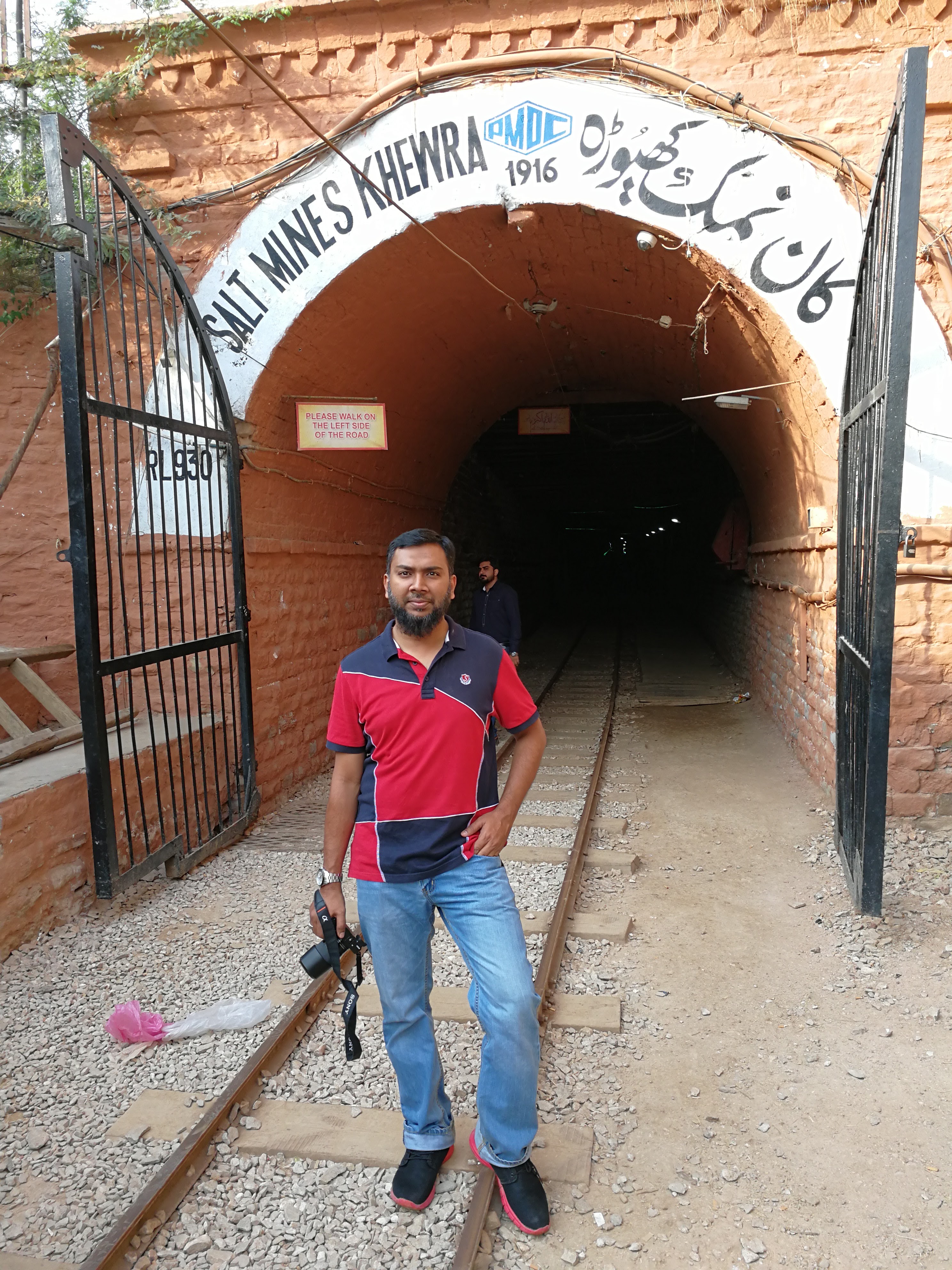
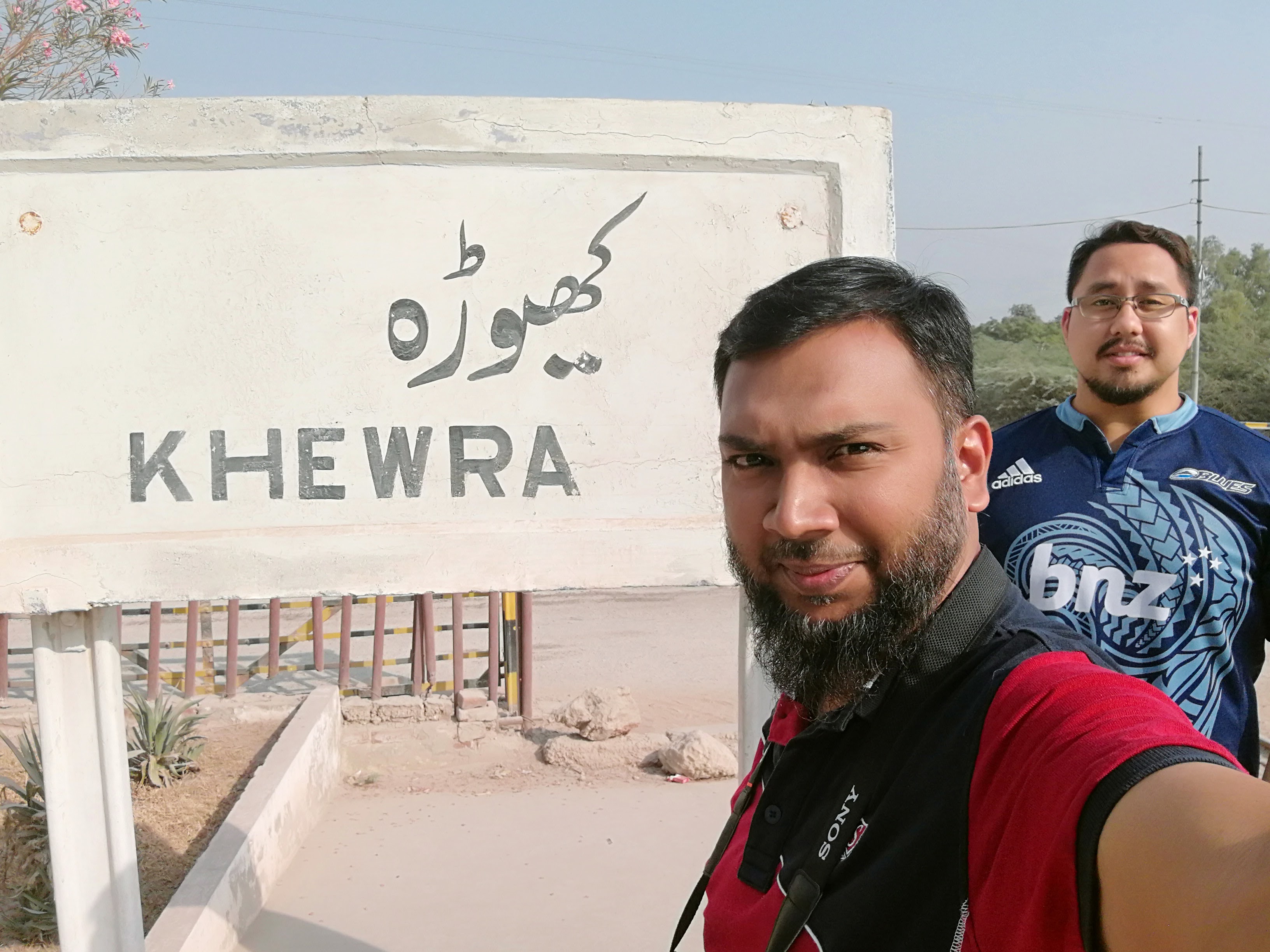
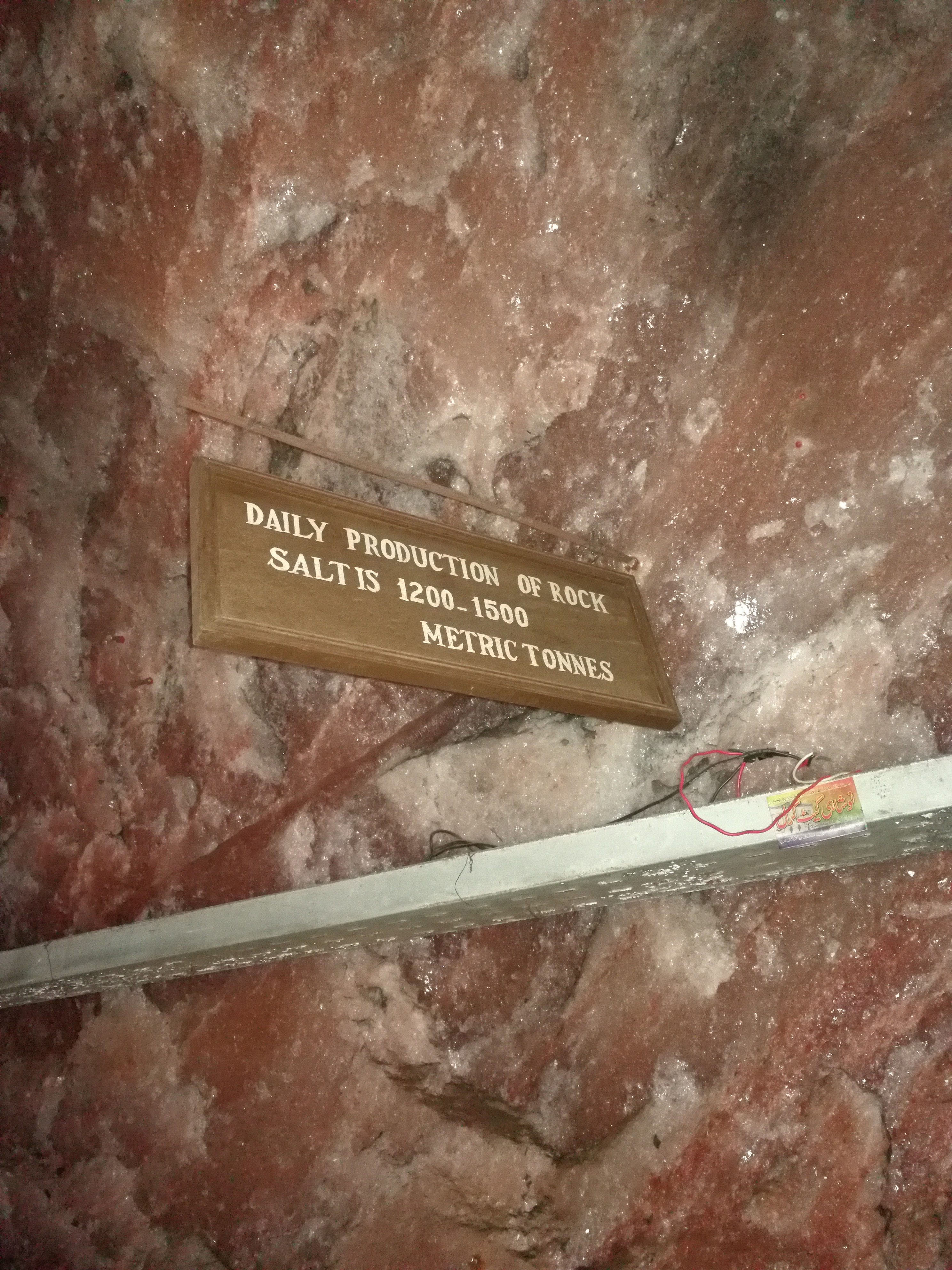


Usually the job for buying tickets will be mine. I went to the counter with Shabbir. “Kya haal hai” I greeted as soon as my turn on the ticketing counter. Shabbir was standing beside me. The guy at the counter suddenly started talking in Urdu after answering theek thak. Shabbir was quick to interject. I just stood there frozen while Shabbir was doing all the talking. The price for foreigners was written in USD but we only carried PKR. Shabbir knew this and I was hoping to pay the equivalent USD amount in PKR. After a long conversation, Shabbir told me the exact amount in PKR that I need to pay. I am always amazed how Shabbir talks very lengthy even for small things. Initially I thought maybe Urdu language is a lengthy language compared to Malay. However, I realised later on, Shabbir likes to have long introductions before discussing the main point. It had nothing to do with Urdu. It is Shabbir’s style. Due to his jovial attitude, he always gets along easily with strangers.
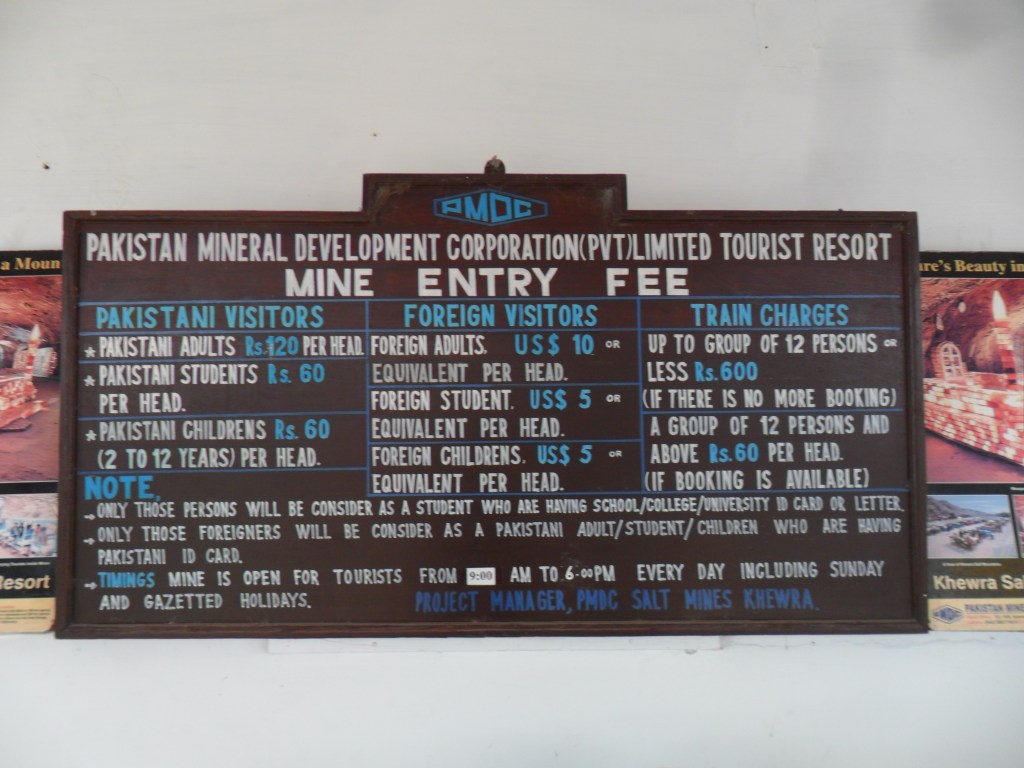
Only at the salt mine entrance did I noticed, I was issued with local tickets and not foreigners. When I confronted Shabbir, he blamed it on the guy at the counter who assumed me as local because of my ‘Kya haal hai’ greeting.
The locals only pay PKR 120 whereas foreigners pay USD10 which is equivalent to PKR1600 at the current exchange rate.
However, I don’t always get away with my Kya Haal Hai easily. Sometimes when I try very hard to sound like locals, people realise that I’m a foreigner. Usually I feel much more comfortable being caught this way than being looked at like a local who tries to impersonate a foreigner.
Our office is surrounded by many beautiful villages. Most of the villagers living here are farmers. Many own large areas of land and they work dedicatedly on these lands. They grow various types of cropses depending on the seasons.
Pakistan has two cropping seasons, “Kharif” being the first sowing season starting from April-June and is harvested during October- December. Rice, sugarcane, cotton, and maize are “Kharif” crops. “Rabi”, the second sowing season, begins in October-December and is harvested in April- May. Wheat, mustard and barley are grown in Rabi season.
The lands here are so fertile that everyday while driving to and back from the office I see the plants growing so rapidly day by day. I assumed that the organic farming method that is being largely used around these villages could be the main contributor. In fact, the term organic farming itself may be remote to them as the only farming that they are doing is organic. The dung of cows and buffalos are the main source of fertilizers for their crops. They have built an ecosystem where even the animal’s waste is fully utilised for various purposes. The dung is used not only as fertilizer but also dried up and used as firewood. Their houses are designed in such a way that buffaloes, cows, sheeps and donkeys are considered as part of the household and allocated central location with the facilities needed for them are provided.
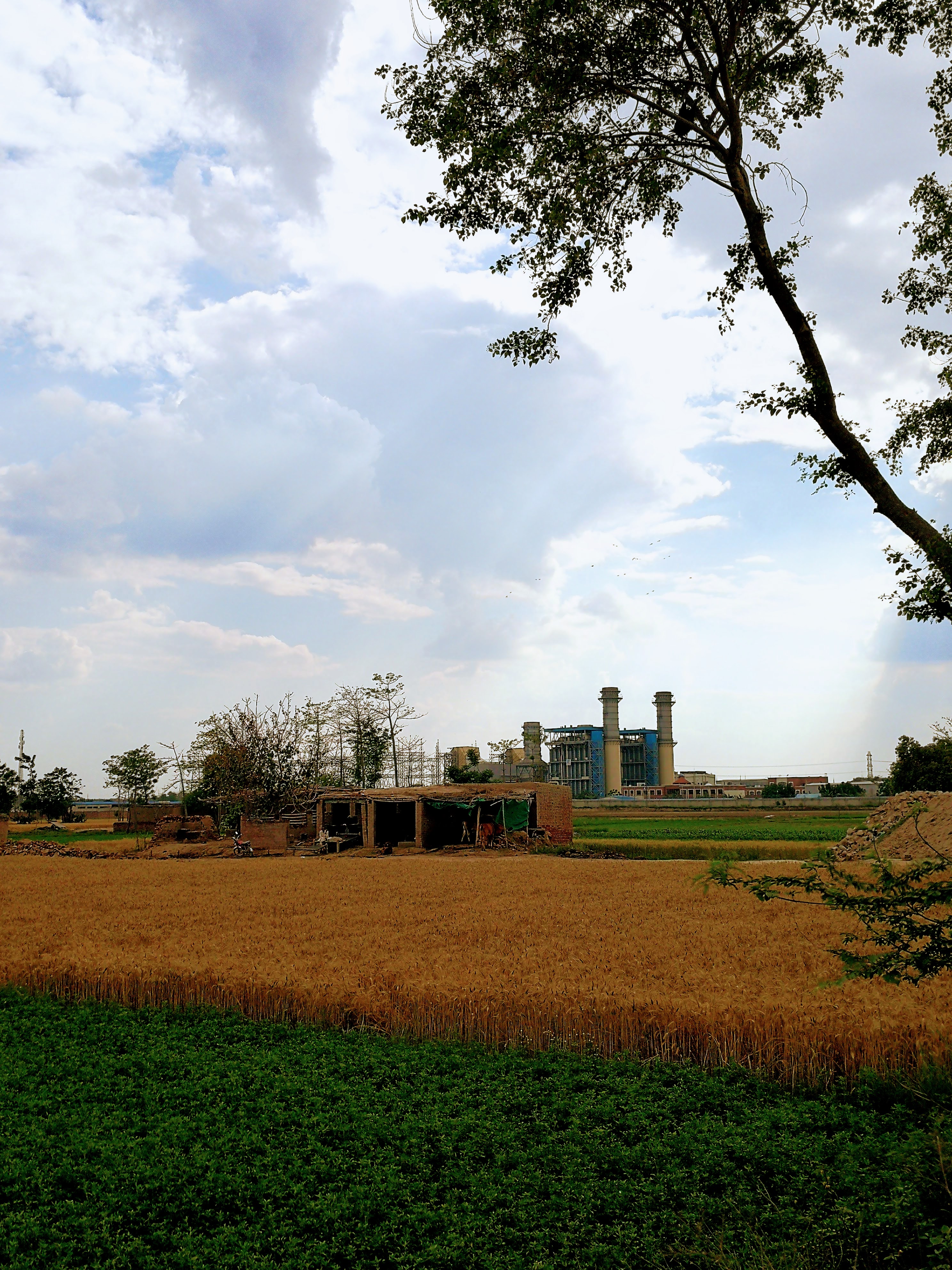
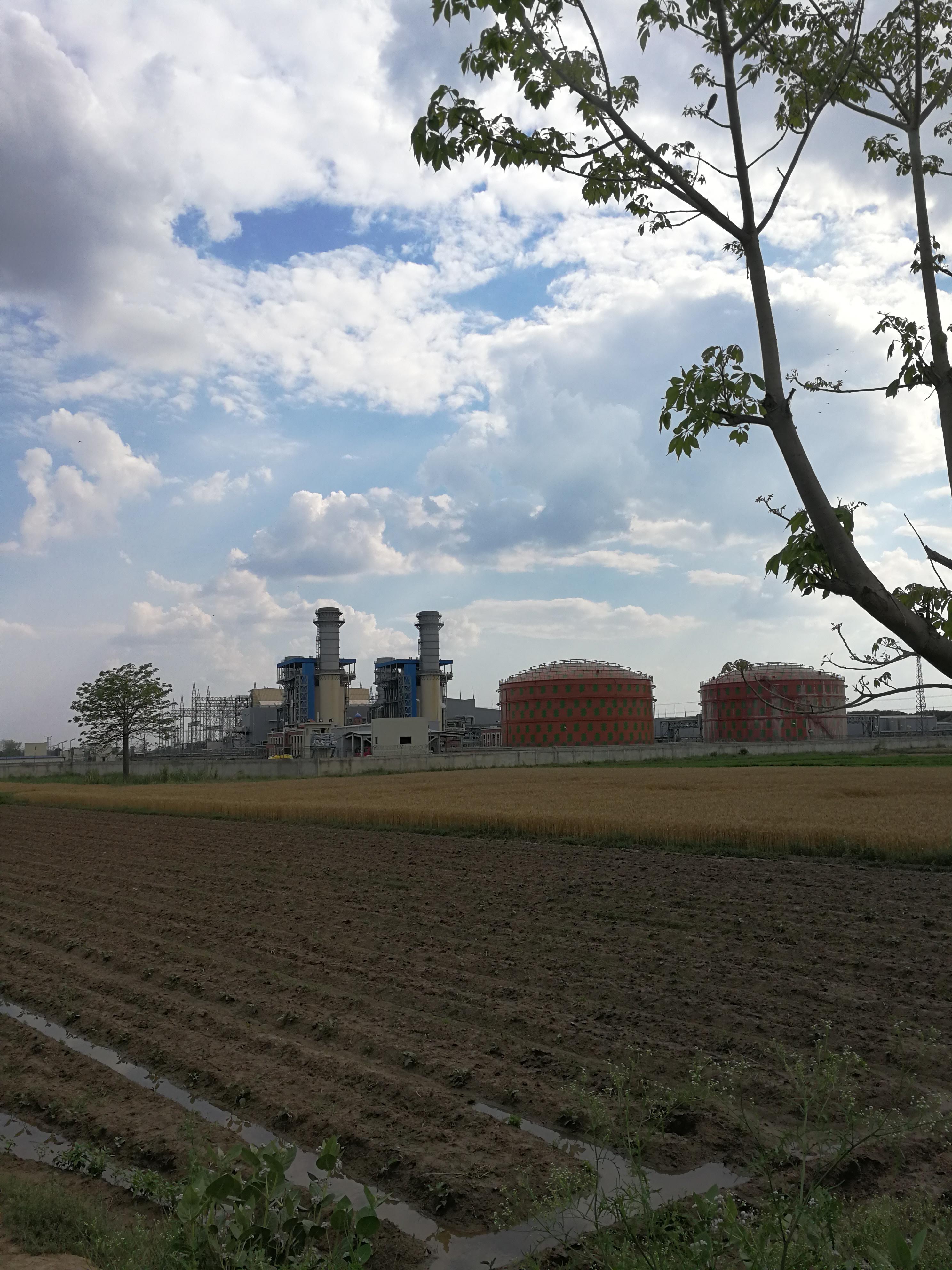
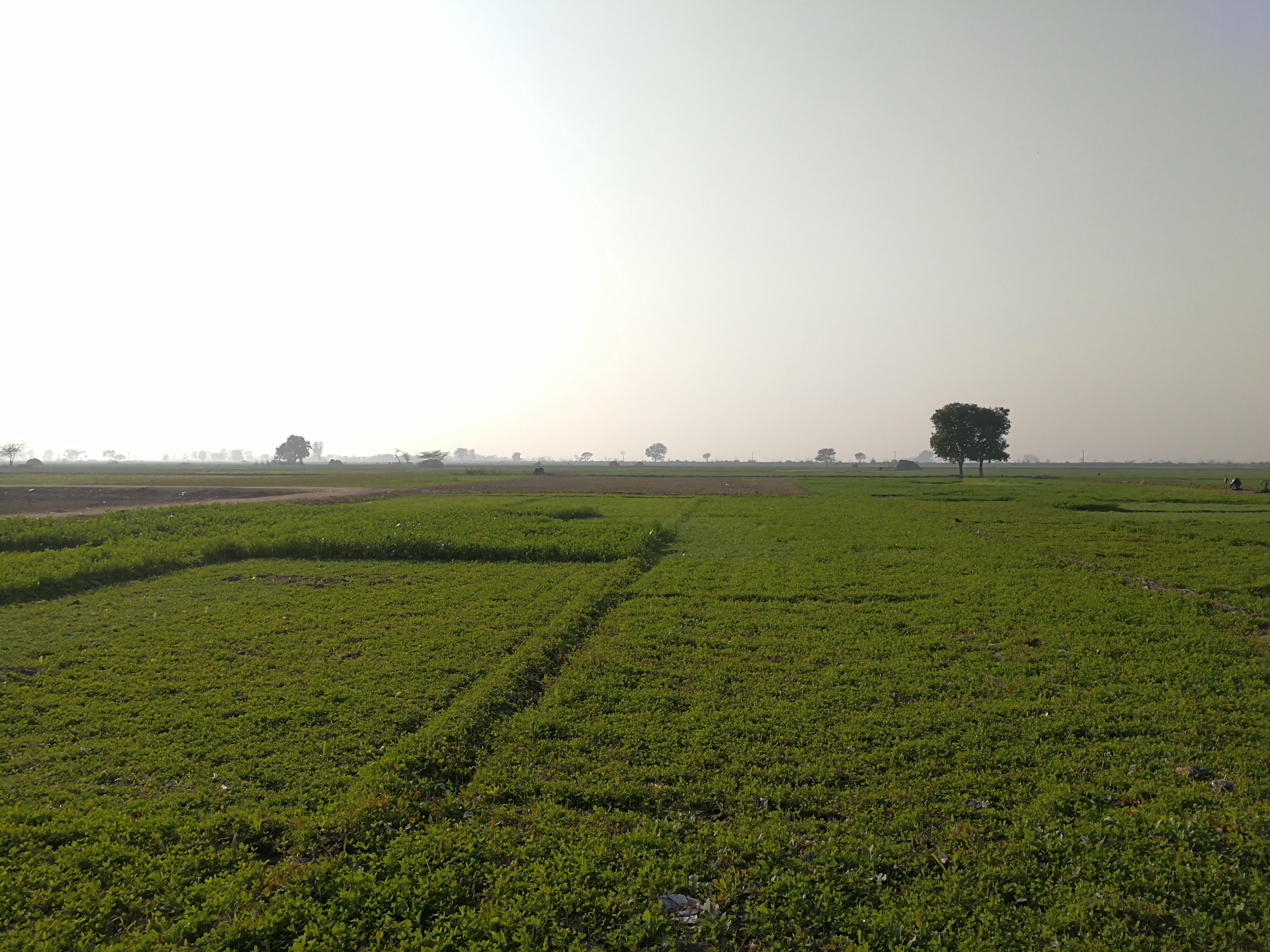
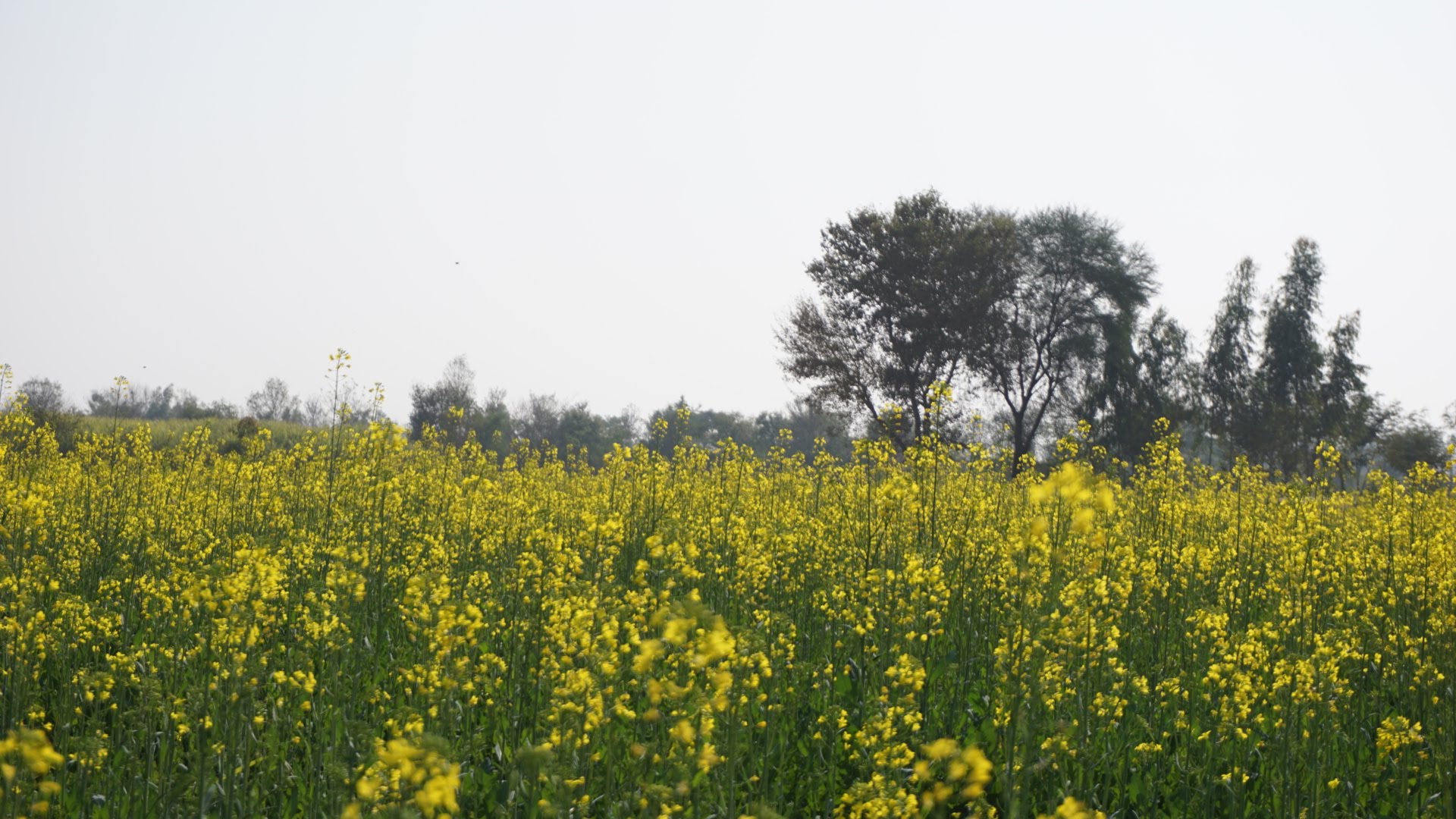
The scene of these farmers and their family working hard under the blazing sun will definitely move your heart. We were informed that many families living in these villages require assistance. We decided to gather some funds and distribute it to them personally. We requested the security supervisor who also lives in one of the villages here to gather some data of those who are in need and we will visit them to distribute the funds. Shabbir coordinated the effort with the security supervisor and on the promised date, we headed to one of the villages.
Shabbir was driving and the security supervisor acted as the escort and he will also bring us to the specific houses that we will be giving the donations to. “Shabbir, what is the name of the village we are going to?” I wanted to know. “Wan Adhan” he answered. Security supervisor who was sitting on the front seat beside Shabbir was not good in English. He understands a little bit but he always speaks English with me with his “Good Morning” only. He told something to Shabbir upon hearing his answer. By now, I know a little bit more Urdu than when I first arrived. I heard that he was saying “Ye Wan Adhan nahi, ye Tirath”. If i understood it correctly, he was saying this is not Wan Adhan but Tirath. Shabbir gave him the silent treatment. Shabbir has this attitude not to show that he doesn’t know things. As such, he always has answers for all of our questions. I should also partly be blamed for the fact that I sometimes treat him like Google. Asking also sort of questions assuming he knows everything.
To confirm what I heard was correct, I opened Google Maps and searched for Wan Adhan. It showed a different location than where we were. The security supervisor was right to correct Shabbir, it was Tirath indeed. It was his village and he definitely knows the name. To complicate things further, there was a signed board written Tirath as we entered the village. “It is written Tirath here, is it Tirath or Wan Adhan” I wanted to see what Shabbir has to say. “Wan Adhan is the old name, now they call it Tirath” Shabbir spews his spell on me. As we spend long hours with him, from his facial expression that I see from the rear-mirror I know he was trying hard to justify his mistake.
The noise of kids gathering along our cars saved Shabbir being teased further by me. These kids seldoms see ‘big cars’ coming into their village. Shabbir was already driving slowly as the roads were not paved and the mud road was full of large potholes. We were lucky that it was a four wheel drive. I’m not sure how normal cars will survive a drive on such harsh roads. He drove even further slow while the kids were tailing our cars. We have listed ten houses to be visited today.
Security supervisor told Shabbir to stop our car and park it at the side. Shabbir turned back to me and told me that our car won’t go beyond this and we need to walk to this first house. I nodded and we got down. As I was getting down from the car, I saw some disappointment on the face of these kids. They must have thought some handsome whiteman is visiting their village. Unfortunately I looked like one of their own. Nevertheless, they didnt stop following us. We walked through a narrow passage. It will fit only for one person to walk comfortably and if someone comes from the other side, we need to turn sideways to passby. Security supervisor was leading us. He stopped in front of a wooden door and knocked on it. The door looked very old with its bottom and top chipped and broken. I was worried when the supervisor was knocking hard on the door that it would be broken into pieces. “Assalamualaikum cha cha”. He was looking for an answer.
The kids who were gathering outside the house were trying to say something. One of the kids was adamant talking to me in Urdu. I just nodded at first and later realised he wanted to say something about the house. “Shabbir, the kids are saying something about the house” I told Shabbir. There was still no answer from the house.
Shabbir talked to one of the kids. As he was listening to the kid, he looked alarmed.
Continued in part 2

 Ek Safar (The Journey)